
Combat High Energy Bills by Fixing Your Clogged Dryer Vent

A clogged dryer vent might seem like a minor household issue, but it can have a surprisingly big impact on your energy bill. When your dryer vent is blocked, your dryer has to work harder and longer to dry clothes, which uses more electricity or gas. This extra energy use adds up, increasing your monthly utility costs. Understanding how a clogged dryer vent raises your energy bill can help you take action to save money and keep your home safe.
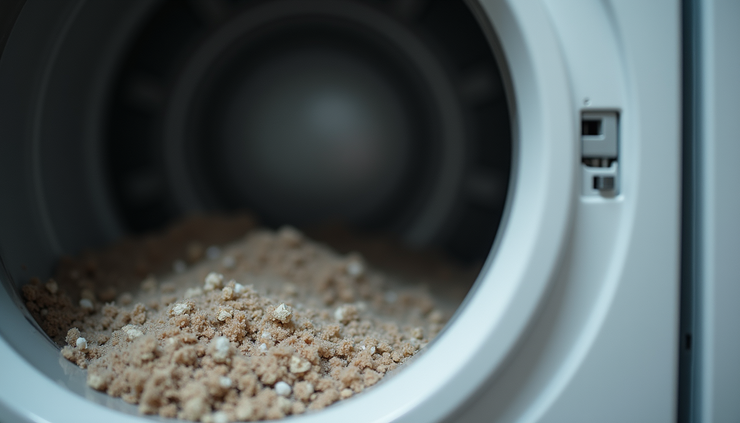
How a Clogged Dryer Vent Affects Energy Use
Your dryer works by blowing hot air through your clothes and venting the moist air outside. When the vent is clogged, air cannot flow freely. This causes several problems:
Longer drying times: The dryer struggles to push hot air through the blockage, so clothes take more time to dry.
Increased energy consumption: The dryer runs longer cycles, using more electricity or gas.
Overheating risk: Blocked vents trap heat inside the dryer, which can damage components and reduce efficiency.
For example, a study by the U.S. Department of Energy found that clogged vents can increase drying time by up to 30%. If your dryer usually runs for 40 minutes, it might take over 50 minutes with a blocked vent. That extra 10 minutes per load adds up quickly, especially if you do multiple loads each week.
Signs Your Dryer Vent Is Clogged
You might not realize your vent is clogged until you notice some warning signs. Watch for these clues:
Clothes take longer than usual to dry.
The dryer feels hotter than normal during use.
You see lint buildup around the dryer or vent opening.
There is a burning smell or unusual odor when the dryer runs.
The outside vent flap does not open properly or is blocked.
If you spot any of these signs, it’s time to inspect and clean your dryer vent.
How to Clean and Maintain Your Dryer Vent
Cleaning your dryer vent regularly can prevent energy waste and reduce fire risk. Here’s how to do it:
Unplug the dryer and pull it away from the wall.
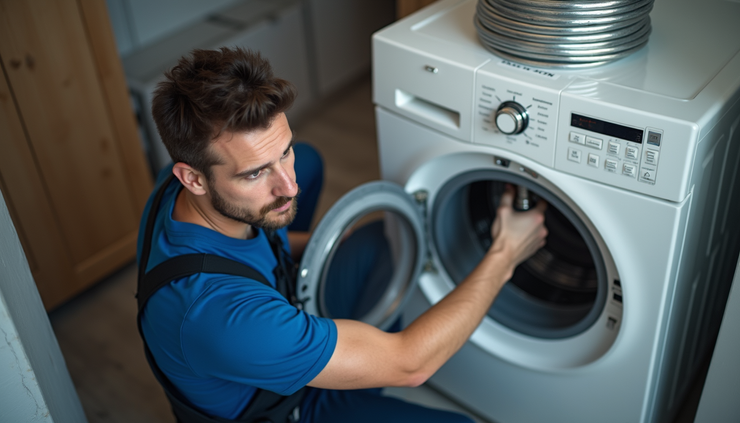
Disconnect the vent hose from the dryer and the wall vent.
Use a dryer vent brush or vacuum to remove lint and debris from the hose and vent opening.
Check the outside vent flap to make sure it opens freely and is not blocked by dirt or nests.
Reconnect everything securely and push the dryer back into place.
For best results, clean your dryer vent at least once a year. If you have pets or do many loads weekly, consider cleaning it more often.

Benefits of Fixing a Clogged Dryer Vent
Fixing a clogged dryer vent does more than lower your energy bill. It also:
Improves dryer performance so clothes dry faster and more evenly.
Extends the life of your dryer by reducing overheating and wear.
Reduces fire risk since lint buildup is highly flammable.
Improves indoor air quality by preventing moisture and lint from leaking into your home.
Many homeowners report saving 10-20% on their energy bills after cleaning their dryer vents. That can mean $50 or more saved annually depending on your local energy rates and dryer usage.
When to Call a Professional
If your dryer vent is very long, has multiple bends, or is difficult to access, a professional cleaning service can help. They have specialized tools to clean vents thoroughly and inspect for damage. Also, if you notice persistent problems like overheating or unusual noises, a technician can check your dryer for other issues.



Comments